The UAE as a trade hub
How the UAE's infrastructure, trading networks and location can support export market development.

Using the UAE as a regional base is a commercial option to evaluate, not a shortcut to international sales. Start by separating two objectives: serving buyers in the UAE and supplying a partner that sells onward. They may involve different specifications, responsibilities and economics, even when the first shipment follows the same route.
When considering a port, warehouse or logistics partner, ask how the complete flow will work for your goods. Identify the handover points, expected documentation, storage needs and responsibility for delays or damage. Compare written service proposals for the same shipment; the reputation of a transport hub does not determine your individual delivery result.
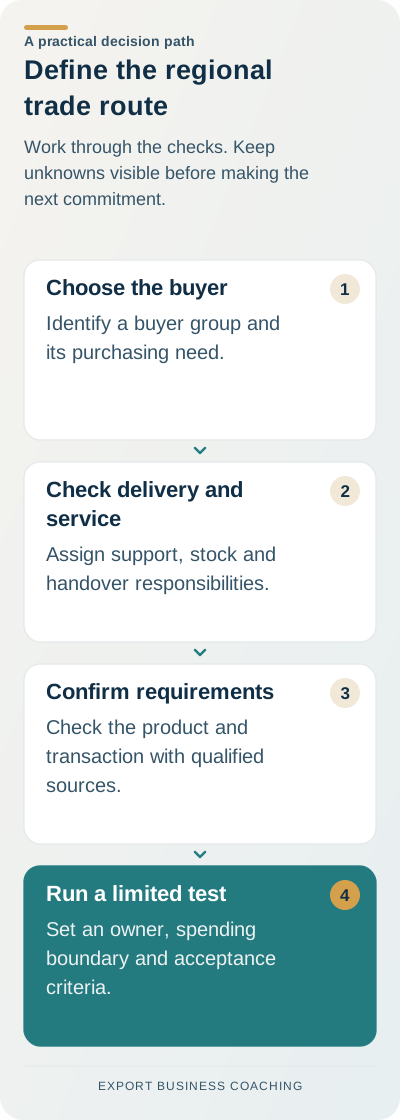
Define the regional trade route
Work through the checks. Keep unknowns visible before making the next commitment.
Read the diagram as text
- Choose the buyer
Identify a buyer group and its purchasing need.
- Check delivery and service
Assign support, stock and handover responsibilities.
- Confirm requirements
Check the product and transaction with qualified sources.
- Run a limited test
Set an owner, spending boundary and acceptance criteria.
Free zones have different activities, terms and obligations. Do not assume a company there receives a blanket tax exemption or unrestricted access to banking. Confirm the current rules and service eligibility for the proposed entity and transaction with the relevant authority and qualified advisers before deciding where to establish operations.
Product-market fit still has to be demonstrated. A distributor of building materials, a food importer and an industrial customer assess suppliers differently. Select a specific application and ask what evidence the buyer needs: technical data, packaging details, an agreed sample test or a reliable delivery plan. Avoid presenting a broad catalogue as a market-entry strategy.
Company formation or a local partner does not by itself make a transaction or payment permissible. Review the goods, counterparties, intended destination and financial arrangements with qualified providers. Confirm actual support before accepting an order; neither a coaching discussion nor an informal assurance replaces that assessment.
Use early conversations to understand how a new supplier is approved. Record the person responsible for technical review and the next commercial step. Prepare a clear product sheet and a scoped quotation rather than relying on general claims about price or quality. Where information is missing, make the request specific enough for the buyer to answer.
A regional strategy becomes more manageable when it begins with a bounded test. Define the buyer group, sample or trial scope, budget owner and evidence needed to continue. Check each additional destination separately. Expanding the list of countries without expanding the team’s knowledge can multiply uncertainty rather than diversify the business.
Before investing in a regional setup, put the route on one page: buyer, product, importer, delivery point, confirmed costs and open checks. Discuss the largest uncertainty first. You can bring that page to an initial coaching conversation; the aim is to identify the next defensible decision, not to promise that a location alone will generate sales.